
Mastering Wine Cellar Inventory: Tips for Boston Collectors
Managing a wine cellar isn't just about storing bottles; it's about curating a collection that brings joy to your life. For Boston collectors, mastering wine cellar inventory is an essential skill that not only enhances the experience of wine tasting but also maintains the value of your investment. In this blog, we will explore practical tips geared towards organizing and maintaining your wine collection effectively.
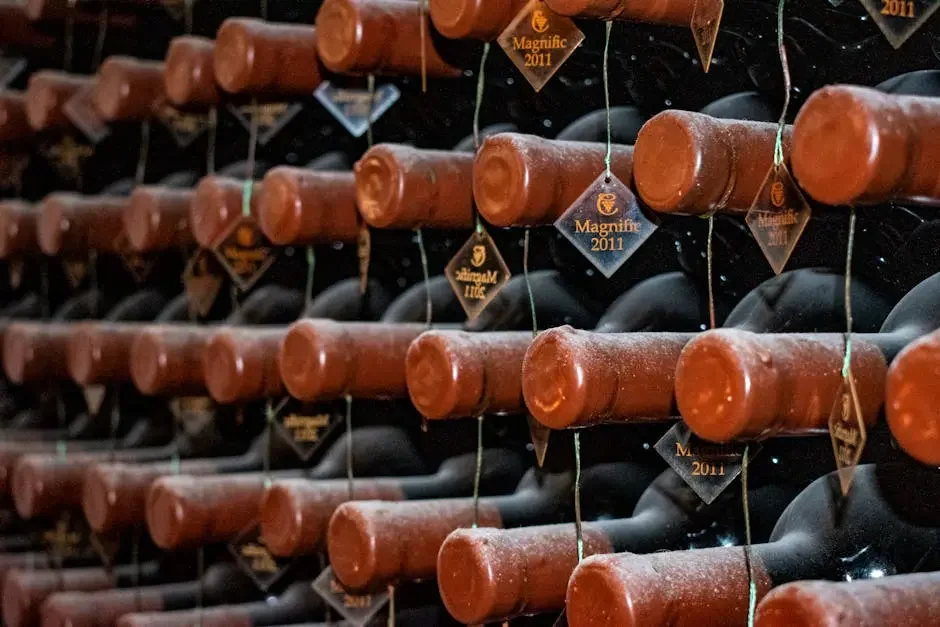
The Importance of a Well-Organized Wine Cellar
>Discover why organization is paramount for any wine collector and how it can enhance your overall wine experience.
A well-organized wine cellar doesn't just look impressive; it provides a stress-free way to choose the perfect bottle. Imagine hosting friends for dinner and effortlessly selecting a wine that pairs beautifully with your meal, all thanks to a clear categorization system. Not only does this enhance the joy of sharing wine, but it also reflects your knowledge and passion for your collection.
Furthermore, a systematic approach minimizes the risk of duplicate purchases. There's nothing worse than finding you've bought another bottle of a wine you already own. By maintaining an organized inventory, you keep track of your favorites while exploring new options, ultimately broadening your palate.
Essential Tools for Wine Inventory Management
>Explore the tools and software that make tracking your collection seamless and efficient, from apps to spreadsheets.
In today's digital age, embracing technology can be a game-changer for wine collectors. There are numerous applications designed specifically for managing wine inventory, allowing you to access your collection on the go. Whether you're at a restaurant or a wine shop, having the information at your fingertips empowers you to make informed choices.
For those who prefer a more hands-on approach, a simple spreadsheet can work wonders. A customized Excel sheet can be tailored to your collecting habits, including details like vintage, region, and tasting notes. This flexibility not only keeps your data organized but also ensures that you can adapt as your collection evolves.
Regardless of the tool you choose, make sure to include fields that matter most to you. This might mean prioritizing taste preferences, purchase dates, or ideal drinking windows. The clearer your system, the better your wine experience will be!
Categorizing Your Wine Collection
Learn about different categorization methods to streamline your inventory, making it easier to find and enjoy your wines.
Categorization is key to long-term enjoyment of your wine collection. One of the most popular methods is by type—red, white, sparkling, and rosé. This allows you to streamline your selection process, particularly when hosting events where guests may have different preferences.
An alternative approach is to organize by region or country. This strategy not only emphasizes the diversity of your collection but also encourages exploration of different wines from around the world. Imagine rediscovering a beloved Chianti or venturing into the lesser-known offerings of a boutique vineyard in the Loire Valley.
Don't forget the option of subcategories such as vintage or grape variety. This finer granularity can deepen your appreciation of individual bottles and may even lead to discovering trends within your tastes. The right method can transform your collection from a simple storage area into a delightful journey through the world of wine.
Maintaining Ideal Storage Conditions
Understanding temperature, humidity, and light exposure will help you preserve the quality of your wines for years to come.
To maintain your wine's integrity, temperature control is crucial. Ideally, wines should be stored between 50-55°F. Too high or too low temperatures can spoil your collection, affecting the taste profiles and aging potential. Investing in a reliable wine fridge can make a world of difference, especially for those who are serious about their collection.
Equally important is humidity. A steady humidity level of 60-70% keeps corks from drying out or molding. Proper humidity ensures that the cork maintains an effective seal, allowing your wines to age gracefully. Additionally, storing your bottles horizontally allows the wine to stay in contact with the cork, which helps prevent air from leaking in.
Light exposure can be detrimental to your collection as well. UV rays can degrade wine and alter its flavor. For this reason, keeping your wine in a dark space or selecting a wine refrigerator with UV-resistant glass is highly recommended. Simple practices like these can significantly enhance the longevity of your beloved bottles.
Creating a Wine Tracking System
>Implementing a tracking system will help you keep tabs on what you have, what you need, and what you've enjoyed.
A functional wine tracking system serves as the backbone of effective wine cellar management. Creating a database that captures details about each bottle, including producer, vintage, price, and tasting notes, can become an invaluable resource. This allows you to visualize what you have on hand and makes it easier to plan for future purchases.
Consider using barcode scanning technology to save time when adding new bottles to your inventory. Many apps allow you to scan labels and immediately import relevant information into your system. This streamlined process can cut down on tedious data entry, allowing you to focus on what really matters: enjoying your wine!
Though technology is helpful, don't underestimate the power of a simple notepad or binder. Many collectors enjoy documenting their experiences as a personal touch. Writing down notes and reflections on each bottle can create a richer experience, turning your wine inventory into a treasured journal over time.
Regular Inventory Audits: Why They Matter
Regularly checking your inventory can prevent spoilage, help you manage your collection better, and ensure you're always ready for a gathering.
Conducting inventory audits might seem like a chore, but it's a crucial step in effective wine management. Take a few moments each season to assess what you have on hand. Not only does this keep your inventory current, but it lets you notice trends in your drinking habits. You might find that you're reaching for rosé more often in summer or warming up to hearty reds in winter.
As you perform these checks, keep an eye out for bottles nearing their peak. Wines have optimal drinking windows, and staying aware of your collection ensures you don't miss out on enjoying those special bottles at their best. This vigilance can significantly enhance your tasting experience.
Furthermore, these periodic audits open the door for reflection. You might uncover some hidden gems you forgot about, or even decide it's time to let go of bottles that don't resonate with you anymore. In the end, regular inventory checks not only enhance your management skills but also deepen your appreciation for the art of wine collecting.
Cheers to a Well-Organized Wine Collection!
By incorporating these tips into your wine cellar management, you'll not only create a more enjoyable experience for yourself and your guests but also ensure that your collection remains well-preserved and valued. Happy collecting!